In the field of medicine, doctors are often seen as the most respected professionals. They are the ones patients turn to when pain needs to be alleviated and treatment needs to begin. Close to them in importance are nurses, who play a pivotal role in a patient’s journey. When we remark that a hospital provided “very good treatment,” it is not just about the doctor’s expertise but also the nursing care that touches our hearts—the way nurses communicate, comfort, and administer care.
But in this entire spectrum of medical care, one group often remains unnoticed: the allied health workers. Behind every diagnosis and recovery are medical technologists managing machines, therapists guiding rehabilitation, and professionals ensuring holistic healing. Among them, physiotherapists stand out as one of the most vital human resources in a patient’s care cycle.
The Evolving Role of Physiotherapists
Traditionally, physiotherapists were associated mainly with orthopaedic treatments—helping patients recover after fractures, joint replacements, or surgeries. Today, the scope has expanded tremendously. Physiotherapists are now specialists in neurology, paediatrics, oncology, cardiopulmonary care, and even obstetrics—supporting women during pregnancy and, crucially, in postnatal recovery.
Their role is no longer confined to the hospital. With a rigorous curriculum spanning four years—covering almost everything taught in medical programmes except pharmacology and surgery—physiotherapists are equipped to provide comprehensive care. In many ways, they have become like family physicians.
Physiotherapy Beyond Hospitals
The value of physiotherapy extends into our homes. My 90-year-old father, for instance, receives daily physiotherapy to keep his leg muscles strong and maintain mobility. What’s remarkable is that his physiotherapist doesn’t just work on his physical health but also engages him in enriching conversations—sometimes about geopolitics, which keeps his mind active too.
Similarly, I have a physiotherapist who guides me with the right exercises to strengthen my muscles. Over time, these professionals become more than healthcare providers—they become friends and companions in our journey to better health.
A Bright Future for Physiotherapy at Symbiosis
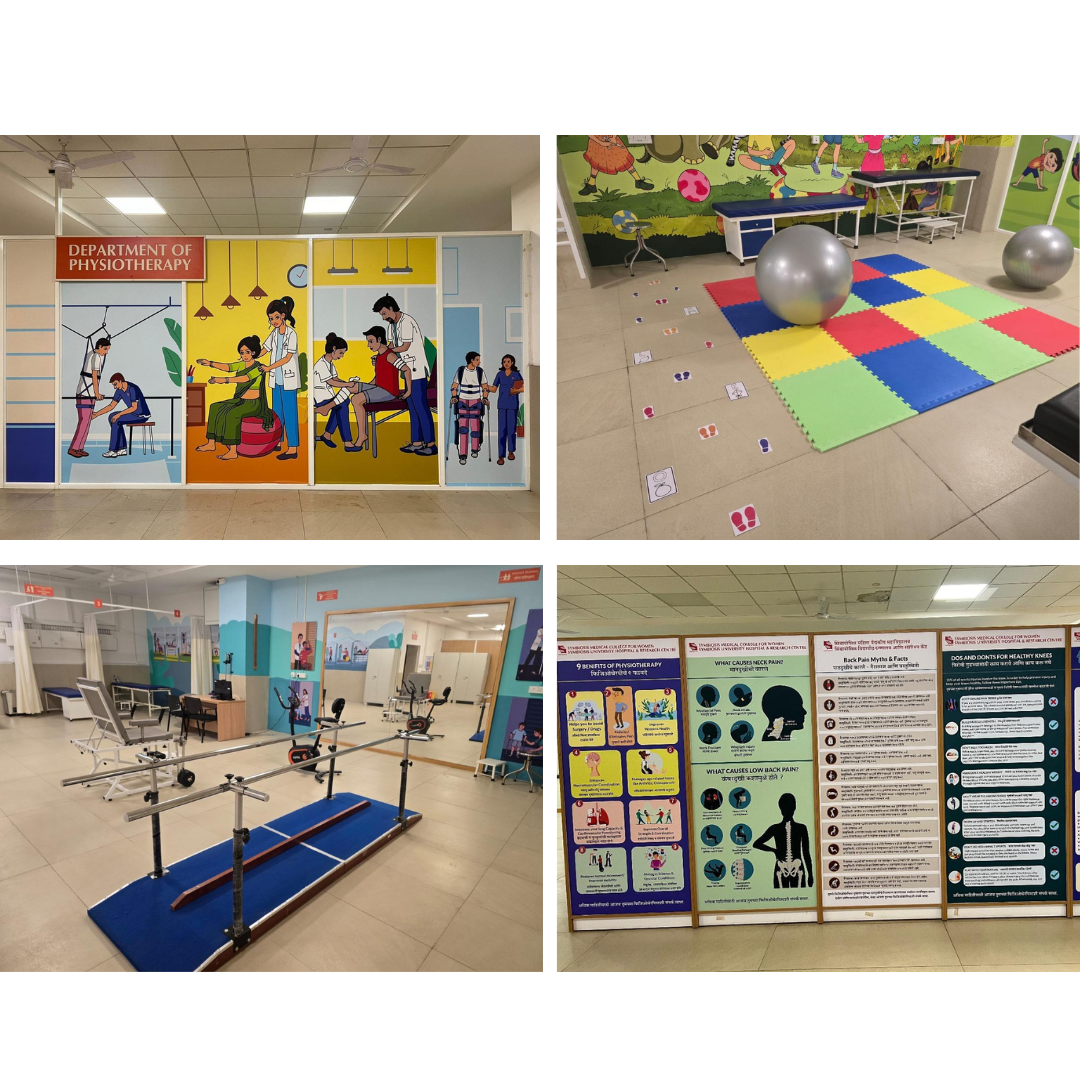
This is why I am proud that our university decided to establish the Symbiosis College of Physiotherapy. With the state-of-the-art infrastructure of the Symbiosis University Hospital and Research Centre, and the diverse patient load it caters to, students here will gain unparalleled training opportunities. Learning under renowned faculty, they will not only master techniques but also imbibe the compassionate care that makes physiotherapists so unique.
Physiotherapists are no longer just support staff in medicine; they are essential partners in healthcare. They help patients regain independence, mobility, and dignity—things that no medicine alone can restore. It is time we recognize them not as the “neglected lot” of the medical field, but as frontline caregivers shaping healthier, more resilient lives.
Today on World Physiotherapy day let us salute these unsung heroes!